Explore Our Research

Research Areas


At IMET's state-of-the-art research facility in Baltimore's Inner Harbor, our scientists take innovative approaches to protect and restore coastal marine systems and their watersheds and to develop approaches for the sustainable use of resources that provide benefits to society and human health. Our methods apply advanced tools of biotechnology and molecular biology to the study of marine organisms and processes, with a strong emphasis on research excellence, education, public outreach, and economic development. IMET serves as a world leader in marine and environmental biotechnology, and its scientific contributions help to meet the economic, environmental sustainability, and health goals of both the state and nation.
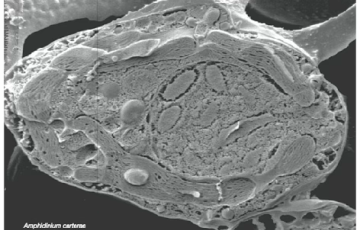
Hidden Order Found in Tiny Algae’s Complex Genome

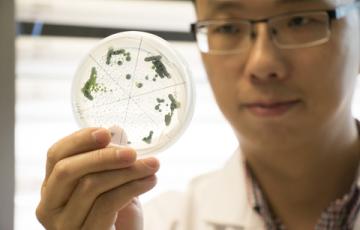
Researchers have produced one of the most complete and detailed genetic maps ever created for a dinoflagellate — a group of microscopic algae that play essential roles in marine food webs and global ecosystem health. The new genome for Amphidinium carterae sheds light on how these tiny organisms organize and control their genes, challenging long-held assumptions about their massive and complex DNA.

Dinoflagellate genomes are far larger and more repetitive than those of most other organisms, making them challenging to study. Using innovative long-read DNA sequencing technology from Oxford Nanopore, the research team assembled a near-complete 1.25 billion–base-pair genome and mapped its genes with a high level of accuracy. 

Marine

Scientists Discover Source of Deep Ocean Color

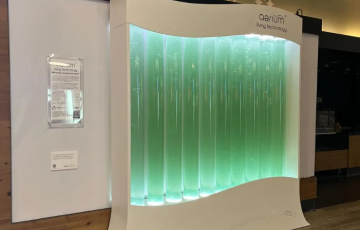
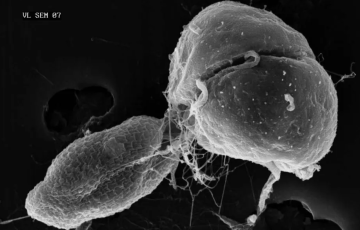
About half of atmospheric carbon dioxide is fixed by ocean's phytoplankton, mainly picocyanobacteria, through a process called photosynthesis. Picocyanobacteria are tiny, unicellular microorganisms that are abundant and widely distributed in freshwater and marine environments. A large portion of biologically fixed carbon is formed by picocyanobacteria at the sea surface and then transported to the deep ocean.

What remains a mystery is how colored dissolved organic matter which originates from plant detritus (either on land or at sea) makes it into the deep ocean. A team of scientists from the University of Maryland Center for Environmental Science and around the world potentially found a viable marine source of this colored material.

Marine

Groundbreaking bluefin tuna research at IMET

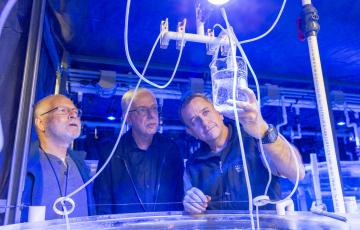
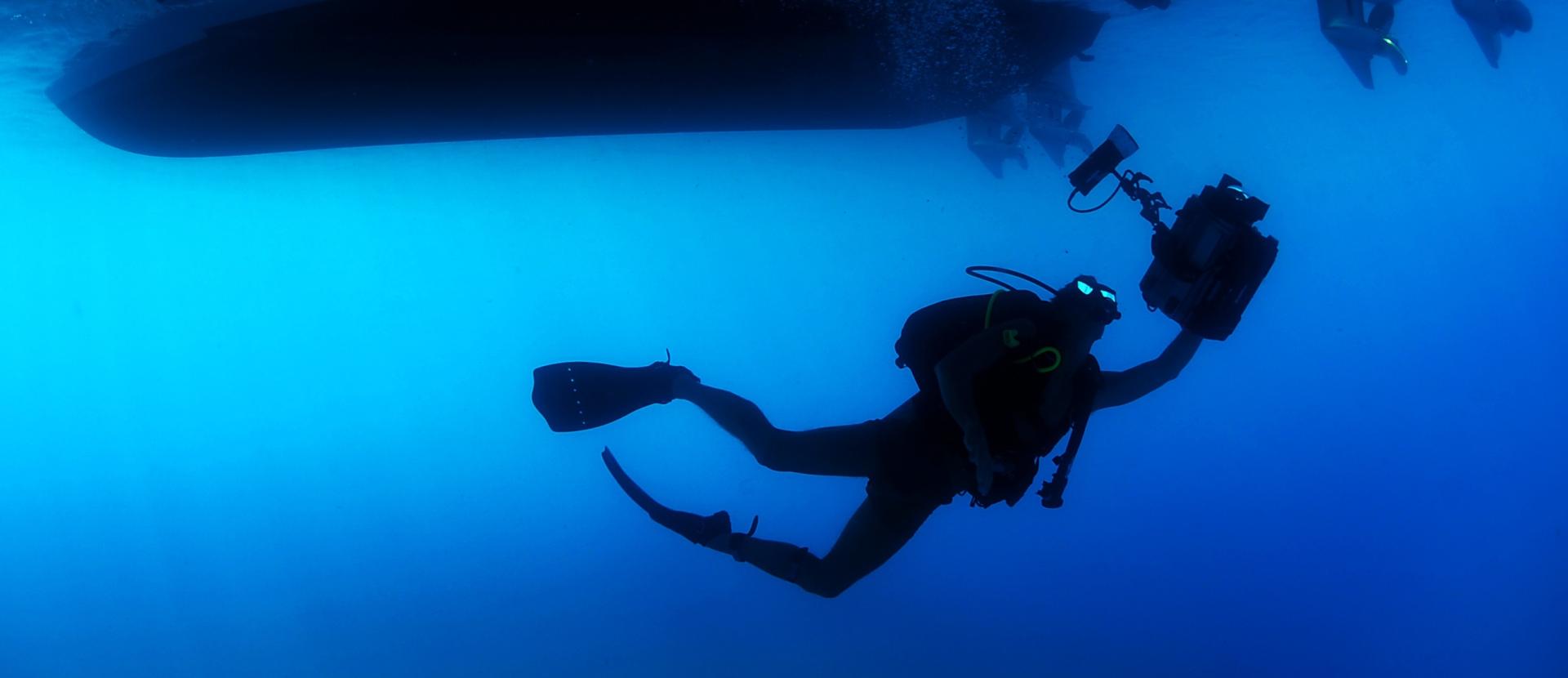
A team of IMET-UMBC researchers has made history by successfully raising Atlantic bluefin tuna from eggs to juvenile stage in a recirculating, land-based mariculture system for the first time in North America. Scientists at the Institute of Marine and Environmental Technology (IMET) overcame significant challenges in creating the successful, sustainable aquaculture system — roadblocks that had previously frustrated researchers for years.

Marine
Sustainability

IMET International Collaborations: Norway

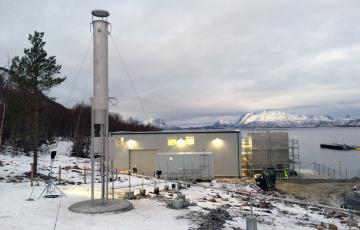
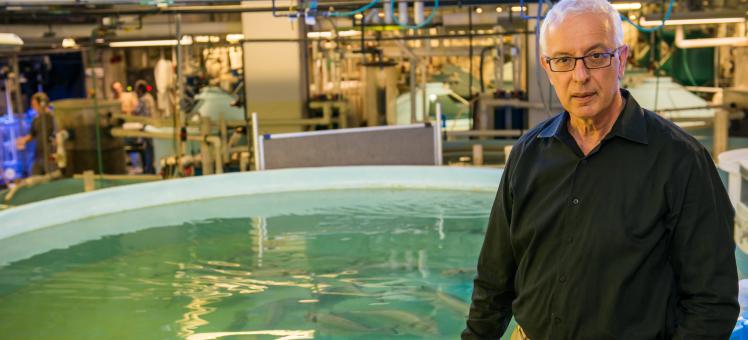
Some of the world’s largest producers of Atlantic salmon are counting on scientists at the Institute of Marine and Environmental Technology to help resolve common issues in aquaculture.

Marine
Sustainability